Human Biases Reflected As Computer Biases
Bias: prejudice in favor of or against a thing, person, or group
What is “computer bias”?
The existence of prejudiced outcomes in the decisions or predictions made by computer systems/algorithms. Bias can be implemented into algorithms because of human biases being intentionally inserted or because of the data utilized being biased.
Explicit Data: Information directly provided by user.
Implicit Data: Infomration that can inferred from explicit data.
Based on either explicit/implicit data that has been used to train an algorithm, whether intentionally introduced or during the process of training data generation, bias can be created.

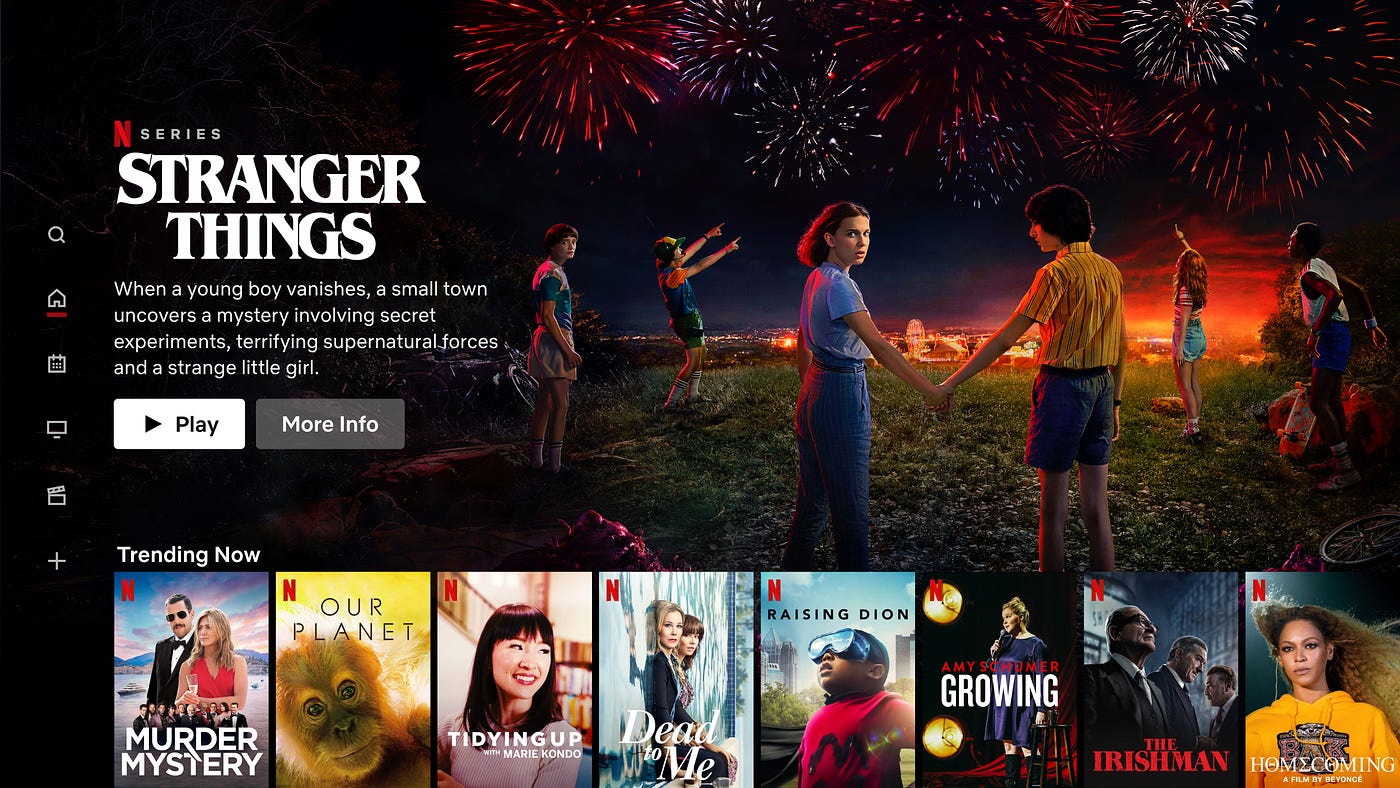
A notable example of this is seen in Netflix, where there are is a human factor that drives bias: Netflix exclusives are placed ahead (a show that is a Netflix exclusive means that users will be more likely to stay with Netflix). The bias in this case is Netflix’s prioritzation towards Netflix-produced shows.
Hack 1:
What is another example of a human bias being implemented into an algorithm?
Answer: Amazon
Reducing Bias
Programmers should take action to reduce bias in algorithms used for computing innovations as a way of combating existing human biases. Softwares need to be unbiased, consider all everything, and reject human bias.
Things to consider when developing programs:
- What are potential sources of bias?
- Is your program enhancing or intentionally excluding?
- Are you receiving feedback from a widespread group of people?
- How could people who differ from you use your developments?
Hack 2:
What is another way a programmer can reduce bias in their softwares?
Answer:
Types of Bias in Software Development
Biases can be embedded at all levels of software development.
It can be intentional or unintentional. Some software development are made for a certain market and ensure that people of certain places or demographics can use them easily. However, this doesn’t mean that they are trying to exclude.
Examples:
Intentional:
- Games could be geared towards a certain age range (Talking Tom vs Valorant)
- Game concepts
- Music
- Visuals


- WeChat and KakaoTalk
- Almost everyone in China uses WeChat
- KakaoTalk is the Korean version
Unintentional:
- Social media, Facebook vs. instagram
Hack 3:
What are some other examples of intentional and/or unintentional bias in innovations (games, social media, technology, etc.)?
Answer: Some movies are targetted towards kids
Homework
Question 1:
Define “computer bias” in your own words and explain how it can result from intentional or unintentional factors in software development. Give a brief example of this. Explain how programmers can actively work to reduce bias in their algorithms?
Answer: computer bias is unfair and discriminatory outcomes in a porgram that favors or disadvantages certain individuals or groups based on multiple characteristics. It can be intentional when developers embed discriminatory elements such as stereotypical representations. It could be unintentional when there are flaws in design or biased training data. Programmers can reduce bias by fostering diverse developement teams and by incorpoorating ethical design choices.
Question 2:
Briefly describe the two types of bias in software development and provide examples from the gaming industry and social media platforms. How might biases in software design affect user engagement and experiences?
Answer: Intentional is the deliberate incorporation of discriminatory elements, for example in some videogames there are stereotypical portrayals of characters based on gender, ethnicity, and more. Unintentional bias is inadvertent flaws in design, algorithms, and training data that lead to discrimination without intent. An example of this would be recommendation algorithms favoring certain types of content based on historical user interactions. Bias can lead to a less inclusive environment and can limit users exposures to diverse perspectives and content.